

The U.S. Citizenship and Immigration Services (USCIS) has released a new update regarding its strengthened screening and vetting procedures, a policy that has recently affected thousands of immigration applications across the United States.
You can read the official announcement directly on the USCIS website:
https://www.uscis.gov/newsroom/alerts/update-on-uscis-strengthened-screening-and-vetting
This initiative is part of a broader government effort to enhance national security and ensure that all individuals seeking immigration benefits are carefully reviewed. While vetting has always been a standard part of the immigration process, USCIS has significantly expanded the depth and scope of its background checks.
Why USCIS Strengthened Screening
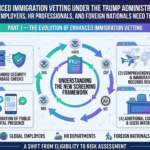
The enhanced vetting measures were introduced to improve the agency’s ability to identify potential risks, detect fraud, and verify applicant information more thoroughly. This includes deeper reviews of:
- Criminal history records
- Immigration history
- National security databases
- Biographic and biometric data
These steps aim to protect public safety while maintaining the integrity of the U.S. immigration system.
Impact on Immigration Applications
As a result of these stricter procedures, USCIS temporarily paused or delayed the adjudication of many pending applications. These delays affected a wide range of immigration benefits, including:
- Employment-based petitions
- Family-based petitions
- Asylum applications
- Work authorization requests
Many applicants and employers experienced uncertainty as processing times increased, sometimes without clear timelines.
What Has Changed in the Latest Update
According to the latest announcement, USCIS has begun to ease some of these delays by resuming processing for certain types of cases. Applications that may now move forward include:
- Petitions filed by U.S. citizens for immediate relatives
- Certain employment authorization applications
- Intercountry adoption cases
- Asylum applications for individuals not subject to heightened risk factors
This marks an important step toward reducing the backlog and restoring more predictable processing times.
What Remains the Same
Even with the resumption of some case processing, the strengthened vetting procedures remain fully in place. Applicants should expect:
- More detailed background checks
- Requests for additional evidence (RFEs)
- Longer review times compared to previous years
USCIS continues to emphasize that security and fraud prevention are top priorities, and these enhanced measures are likely to remain part of the system for the foreseeable future.
What Applicants Should Do
If you have a pending application or plan to file one, it’s important to be proactive and prepared. Consider the following steps:
- Ensure all information provided is accurate and consistent
- Submit complete documentation at the time of filing
- Respond promptly to any USCIS requests
- Monitor your case status regularly
Working with an experienced immigration professional can also help reduce errors and avoid unnecessary delays.
Final Thoughts
The latest update from USCIS shows progress in reducing delays caused by enhanced screening measures, but it also confirms that stricter vetting is here to stay. For applicants, this means being more prepared than ever and understanding that processing times may still be longer than expected.
In a system increasingly focused on security and accuracy, careful preparation is no longer optional—it is essential.